
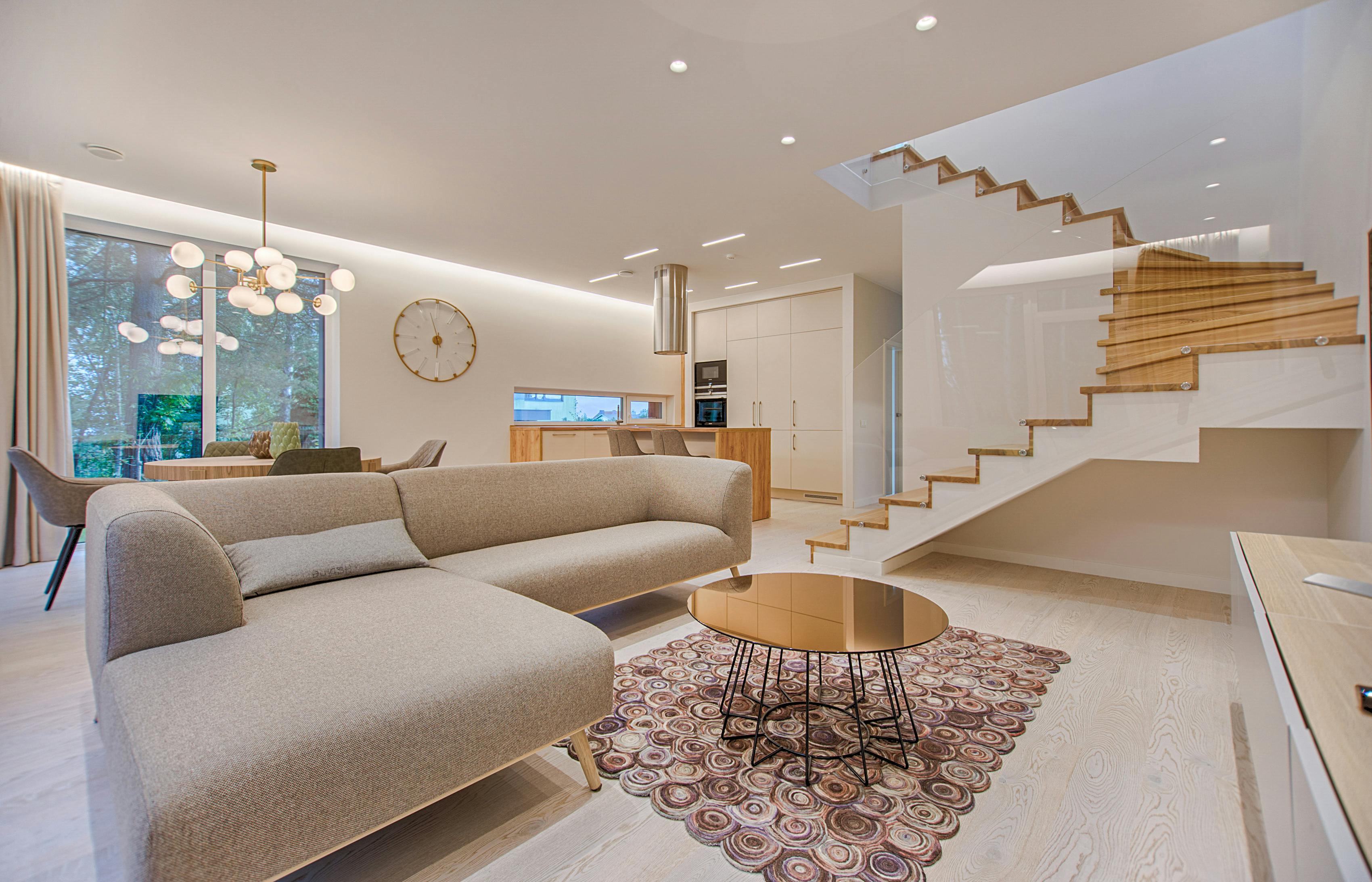
Use of hard and soft furniture
Cleaning and care
-
Clean furniture regularly to remove dust and dirt and extend the life of the item.
-
Use only soft cloths or microfibre cloths to avoid damaging the surface or fabric.
-
Do not apply cleaners directly to the furniture surface. Test the cleaner on a less visible area first.
-
Use special cleaners designed for fabrics.
Protection from sun and moisture
-
Keep furniture away from direct sunlight so it does not fade or crack.
-
Do not let furniture be exposed to moisture or water to avoid mould and warping.
-
For laminated wood furniture, it is especially important to protect the edges from water.
Protection from mechanical damage
-
Avoid sharp and heavy objects that could scratch or damage the furniture surface.
-
Follow the maximum load recommendations given by the manufacturer.
Regular checks
-
Check furniture fixings regularly. If needed, tighten screws and other joints.
-
If the bed structure starts to creak, lubricate the mechanism hinges with oil or silicone and tighten the screws.
Special care requirements
-
For cleaning leather furniture, use a cloth lightly dampened with clean water at room temperature.
-
Leather furniture should be treated with a special care product a couple of times a year.
-
Do not use solvents, acetone, spirit, soap or washing powder.
-
Use a clean cloth to clean artificial leather furniture.
Other notes
-
Differences caused by uneven use are not considered a furniture defect.
-
It is recommended to change your seating position regularly.
-
Light settling of the seat, stretching of the fabric and shine are natural wear and tear.
-
Soft furniture is made using soft materials, so there may be slight differences in dimensions or uneven seams.
-
The pattern on furniture with printed fabric may not always match because of the production technology.
-
When unpacking furniture, check its condition and avoid using sharp objects.
This document was last updated on 31 October 2026


